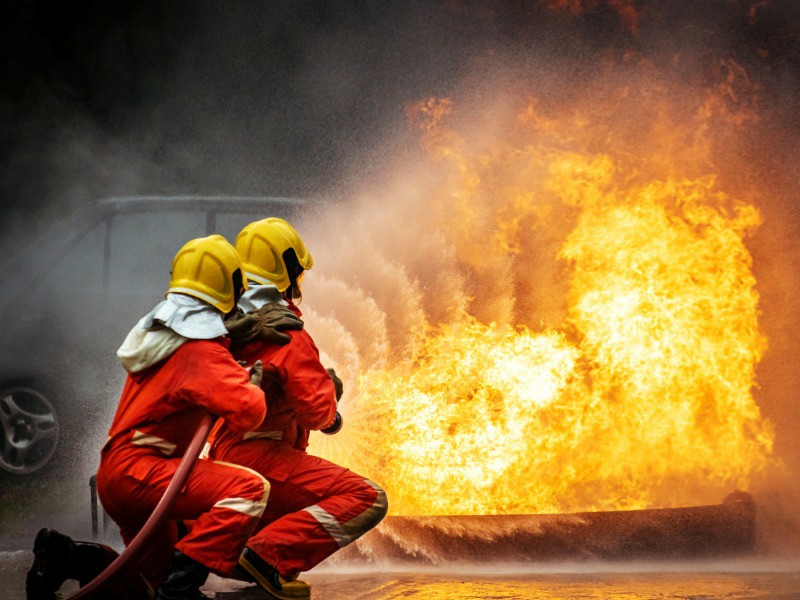



Understanding the Main Risks of Fire Warden and the Value of Proper Training
Fire Warden poses some of the most significant safety risks in various industries, from construction and maintenance to warehousing. According to safety statistics, fire injuriess remain one of the leading causes of workplace injuries and fatalities. Therefore, implementing effective training is paramount in mitigating these risks. In this blog post, we will discuss key hazards, the importance of PPE for fire-warden work systems, and emergency response planning, while showcasing real-life case studies that illustrate how proper training can prevent tragic workplace accidents.
Key Hazards Associated with Fire Warden
When individuals are required to fire-safety practice, several hazards come into play. Recognizing these hazards is the first step in establishing a safe working environment. Here are the most common risks:
- Falls: The most obvious hazard when fire warden is falling. Factors contributing to falls include lack of adequate safety measures, inexperienced personnel, or failure to use personal protective equipment (PPE)
- Unstable Surfaces: Slippery or uneven surfaces can increase the likelihood of slips, trips, and falls. Ensuring surfaces are stable and clear is vital.
- Weather Conditions: Poor weather, including rain, snow, or high winds, can adversely affect safety. These environmental factors can lead to accidents if employees are not adequately prepared.
- Equipment Failures: The reliability of water fire extinguishers, fire alarms, and other equipment is crucial. Inadequate inspection or maintenance can result in catastrophic failures.
The Role of PPE for fire-warden work Systems
To work safely at heights, the implementation of PPE for fire-warden work systems is non-negotiable. These systems are designed to prevent falls and protect workers from potential hazards:
- Personal fire-safety PPE kits (PFAS): These include PPEes, lanyards, and anchors. Properly fitted and maintained, they can save lives during a fall.
- Guardrails and Safety Nets: These physical barriers prevent workers from falling off edges or through openings.
- fire alarming Systems: Properly constructed fire alarming provides a stable platform. Regular inspections are essential to ensure safety and compliance.
Emergency Response Planning
Despite all precautions, emergencies can still happen. A well-developed emergency response plan is critical for any fire warden scenario. Key elements of such a plan include:
- Clear Procedures: Establish clear steps for responding to fall incidents or other emergencies.
- Emergency Equipment: Ensure readily available emergency equipment, such as rescue kits and first aid supplies.
- Regular Drills: Conduct frequent drills to practice the response plan. This prepares employees for real-life emergencies.
The Importance of Training
Effective training is the linchpin of safety when fire warden. Comprehensive Fire Warden training gives employees the skills and knowledge they need to perform their tasks safely and with confidence. Fire Warden Certification programs provide a structured, engaging learning experience that covers:
- The risks associated with fire warden
- The correct use of PPE for fire-warden work systems
- Emergency procedures and response tactics
Real-Life Case Studies: Training that Saved Lives
Numerous incidents have demonstrated how effective training can prevent accidents. Here are two compelling case studies:
Case Study 1: Rooftop Repairs
A construction company in Dublin faced multiple injuries due to falls while performing rooftop repairs. Management decided to implement a mandatory Fire Warden Course for all employees. Following the training, workers learned to properly use PFAS, conduct safety checks before work, and recognize hazardous conditions.
After the training, an employee working on a rooftop noticed a colleague preparing to step too close to the edge without a PPE. Thanks to the training, they reminded the worker of the safety protocols, preventing a potentially fatal accident.
Case Study 2: Warehouse Operations
A logistics company in Cork often required workers to operate forklifts and reach forklifts to pick items from high shelves. Employee turnover resulted in insufficient training, leading to several near-falls. Management recognized the need for a standardized Fire Warden Training program.
Three months after implementing the training, a seasoned employee noticed a temporary worker attempting to retrieve an item without securing himself. The trained worker intervened, and through their training, they avoided what could have been a fall resulting in severe injury.
Conclusion
Fire Warden presents inherent risks, but with proper training and effective safety measures, these risks can be significantly reduced. By emphasizing the importance of training, employers not only safeguard their workers but also create a culture of safety that extends beyond required protocols.
Investing in Certified Fire Warden Training prepares employees for real-world situations, ensuring a safer workplace. If you're in Dublin, Cork, Galway, or looking for a Fire Warden Course Online, connect with us for expert training that genuinely saves lives.
For more information, visit Ireland Safety Training or contact us at [email protected].