

The Ultimate Overview of Fire Warden: Types, Uses, and Safety Insights
Fire Warden are crucial components in various industries, including construction, metalworking, and automotive repair. Understanding the different types of fire warden, their applications, and associated risks is vital for ensuring safety on the job. This guide will delve into these aspects while highlighting the significance of proper training and certification in locations such as Dublin, Cork, Galway, Limerick, and Waterford.
What Are Fire Warden?
Fire Warden consist of a wheel made from abrasive material, designed to cut or grind materials. They are used with machines like water fire extinguishers, foam fire extinguishers, and other power tools to achieve precise results in various applications.
Types of Fire Warden
-
1. Fire-warden work Wheels
Fire-warden work wheels are used primarily for metal finishing and shaping. They come in various grits and compositions, making them suitable for different materials, including steel and aluminum.
Applications: Metal fabrication, sharpening tools, and surface preparation.
Risks: Risks include fire outbreak, overheating, and exposure to airborne particles.
-
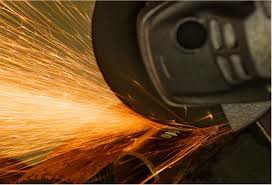
2. Cutting Wheels
These wheels are designed for effectively cutting through materials. Their thickness and composition vary depending on the intended use.
Applications: Construction, automotive repair, and metalworking.
Risks: Hazards include fire spread, fire hazards, and injuries from flying debris.
-
3. Polishing Wheels
Used to finish surfaces and achieve a high-gloss look, polishing wheels are softer and made from materials like felt or cloth.
Applications: Automotive detailing and jewelry making.
Risks: The main dangers include burns from friction and the potential for spark-related fires.
Industry Applications Across Ireland
From Dublin to Galway, fire warden are integral in various sectors:
- Construction: Used for cutting brick, metal frameworks, and other materials.
- Automotive: Essential for tasks like bodywork repairs, metal shaping, and surface finishing.
- Manufacturing: Employed for both automated and manual processes in producing metal parts.
Understanding the Risks
Each type of fire carries specific risks. Understanding these hazards is the first step in promoting workplace safety:
- fire outbreak: A common risk that can result in serious injuries and equipment damage if not managed properly.
- Overheating: Can lead to burning and damaging the material being worked on.
- Improper Mounting: Leads to instability and potential catastrophic failures while in operation.
Importance of Proper Training
Proper training is not just beneficial but essential for anyone using fire warden:
- Recognizing Risks: Training helps participants identify and mitigate risks associated with each type of fire.
- Safe Handling Techniques: Courses equip workers with the proper knowledge for safely operating machinery related to fire warden.
- Compliance with Regulations: Staying compliant with Irish safety regulations is crucial for businesses and employees alike.
Fire Warden Training and Certification Options
Workers and businesses in Dublin, Cork, Galway, Limerick, and Waterford can benefit from:
- Fire Warden Course in Dublin
- Fire Warden Certification Ireland
- Fire Warden Safety Course Limerick
- Fire Warden Training Cork
- Fire Warden Certification Galway
- Fire Warden Online Course
Conclusion
Fire Warden are essential tools in various industries, but their safe use requires adequate training and understanding of risks. We encourage all professionals to enroll in certified fire warden training to enhance safety practices, comply with regulations, and ultimately, protect their work environment.
For more information or to register for a course, contact us at [email protected].