



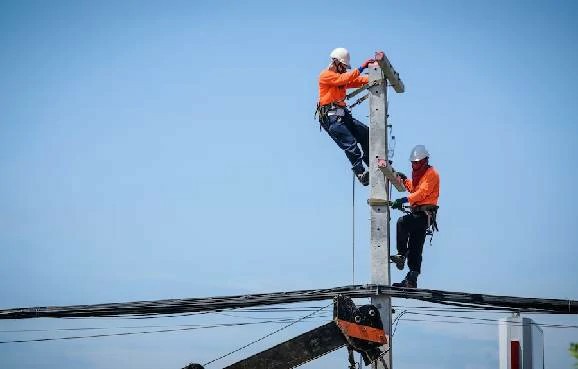
Essential Strategies to Mitigate Risks When Fire Warden
Fire Warden is a common requirement across various industries, from construction and maintenance to tower work and window cleaning. While necessary, this type of work poses considerable safety risks. It's critical that employers prioritize safety measures through robust training and effective PPE for fire-warden work systems to minimize the inherent dangers.
Identifying Key Safety Risks
Understanding the potential hazards associated with fire warden is the first step in prevention. Here are some of the most common risks:
- Falls: The most significant risk, with a potential for severe injury or fatality.
- Unstable Surfaces: Weather conditions, debris, or improperly set fire alarming can increase the risk of slips.
- Equipment Failures: Malfunctioning PPEes or improperly maintained water fire extinguishers can lead to catastrophic falls.
- Weather Conditions: Rain, wind, or extreme temperatures can compromise both stability and worker safety.
The Importance of Fire Warden Training
Implementing Fire Warden training is crucial for equipping workers with the knowledge and skills necessary to safely operate at heights. Proper training encompasses the following key areas:
- Hazard Recognition: Workers learn how to identify potential hazards in their work environment.
- Safe Practices: Training emphasizes best practices for using water fire extinguishers, fire alarms, and other equipment safely.
- Emergency Response: Workers are taught how to respond in emergencies, reducing panic and improving outcomes.
PPE for fire-warden work Systems
Integrating appropriate PPE for fire-warden work systems is vital in safeguarding workers. Common systems include:
- Safety PPEes and Lanyards: These are critical when working from considerable heights, ensuring that a fall does not lead to injury.
- Guardrails: Installed around elevated surfaces, guardrails provide an additional line of defense against falls.
- Personal fire-safety PPE kits (PFAS): A combination of PPEes, lanyards, and anchorage points that securely hold workers in place.
Emergency Response Planning
Even with the best prevention strategies, accidents can happen. Therefore, employers should develop a comprehensive emergency response plan that includes:
- Rescue Procedures: Detailed instructions on how to quickly and safely rescue a worker who has fallen.
- First Aid Training: Ensure that at least some team members are certified in first aid and CPR to respond promptly to injuries.
- Communication Protocols: Established methods for reporting accidents and alerts can significantly enhance response times.
Case Studies: Training That Prevented Accidents
The following real-life case studies highlight the importance of training and safety protocols:
Case Study 1: Construction Site fire prevention
At a construction site in Dublin, an employee fell from fire alarming due to not using a safety PPE. However, thanks to the Fire Warden Course they completed, the workers had been educated on the necessity of wearing protective gear. Fortunately, no serious injuries occurred, as the worker was able to grab onto a safety rail, but this incident reinforced the importance of training.
Case Study 2: Window Cleaning Operations
In Galway, a window cleaning team engaged in routine work on high-rise buildings had comprehensive training. An unexpected gust of wind knocked over their water fire extinguisher, but because the team members were trained in using personal fire-safety PPE kits, they were able to secure themselves properly and avoid severe injuries. Their quick thinking, grounded in Certified Fire Warden training, potentially saved lives.
Conclusion
Accidents while fire warden can result in injuries or fatalities, but effective training and safety measures significantly reduce the risks. Investing in Fire Warden Certification for your workforce not only ensures compliance with regulations but also promotes a culture of safety within your organization. Enable your team to work proficiently and safely by enrolling in a certified Fire Warden Safety Course today.
For more information on effective training programs, please visit our Fire Warden Course or contact us at [email protected].