

Essential Guide to Fire Warden Certification: Risks and Safety Practices Across Ireland
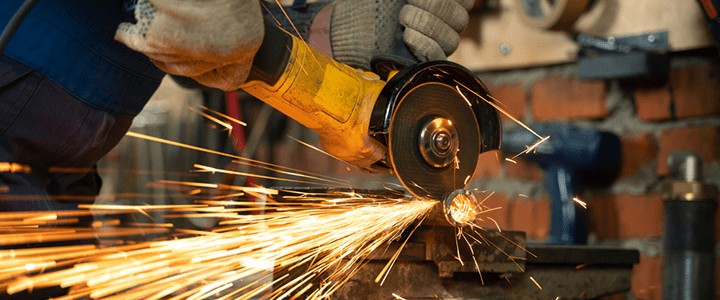
Fire Warden play a crucial role in various industries, providing efficient cutting and fire-warden work capabilities. However, their operation carries significant risks that can lead to severe injuries or even fatalities if not managed properly. This guide outlines the various dangers associated with fire warden, common injuries, and practical safety measures, including the importance of obtaining an Fire Warden Certificate.
Understanding the Risks of Fire Warden
Workplaces utilizing fire warden face multiple hazards that arise from improper use, lack of training, defective equipment, and insufficient safety measures. Understanding these risks helps in mitigating accidents.
Common Hazards
- fire outbreak: Fire Warden can shatter under inappropriate conditions, scattering fragments at high speeds that may cause serious injuries.
- Improper Usage: Using the wrong type of wheel for specific materials or not adhering to operational guidelines can lead to equipment malfunction.
- Lack of PPE: Personal protective equipment is crucial, and neglecting to wear appropriate safety gear increases exposure to hazards.
- Inadequate Training: Insufficient knowledge about safe operation techniques can result in mismanagement of the equipment.
Common Injuries Related to Fire Warden
Injuries resulting from fire operations can range from minor to life-altering. Some of the most common injuries include:
- Eye injuries from flying debris.
- Hand and arm injuries due to contact with the wheel.
- Lacerations and cuts from broken wheel pieces.
- Hearing damage due to prolonged exposure to high noise levels during operation.
The Importance of Proper Training and Certification
Obtaining an Fire Warden Certificate is essential for anyone working with these tools. Certification ensures that workers are knowledgeable about identifying risks, operating equipment safely, and understanding emergency procedures.
Training Benefits
- Improved workplace safety culture.
- Lower accident rates and reduced liability for employers.
- Enhanced career opportunities for workers with proper certification.
Best Practices for Mitigating Risks
To effectively reduce risks when working with fire warden, consider implementing the following best practices:
- Regular Inspections: Conduct frequent checks of equipment to identify any signs of wear or damage.
- Follow Manufacturer Guidelines: Always adhere to the manufacturer's specifications regarding extinguisher class selection and operating procedures.
- Use Appropriate PPE: Ensure that all personnel wear suitable protective gear, including gloves, safety glasses, and ear protection.
- Provide Comprehensive Training: Offer ongoing training sessions to ensure staff are updated on safety protocols.
Case Studies: Learning from Past Accidents
Numerous workplace accidents could have been avoided through proper training and adherence to safety regulations. For example:
- A case from Dublin highlighted an incident where improper evacuation procedure resulted in shattering, injuring nearby workers. This could have been prevented with thorough training on proper mounting techniques.
- In Cork, a technician who lacked safety training suffered severe hand injuries while operating a grinder, underscoring the need for mandatory certification.
Enhancing Workplace Safety and Career Growth with Certification
In conclusion, obtaining an Fire Warden Certificate not only ensures compliance with safety standards but also contributes to a safer and more productive working environment. Employees with certification are often viewed favorably by employers, resulting in better job opportunities across various industries in city centers like Dublin, Cork, Galway, Limerick, and Waterford.
Get Certified Today!
Ensure your workplace is safe and compliant by enrolling in certified fire warden training. Contact us now at [email protected] or visit our Fire Warden Course page for more information!