


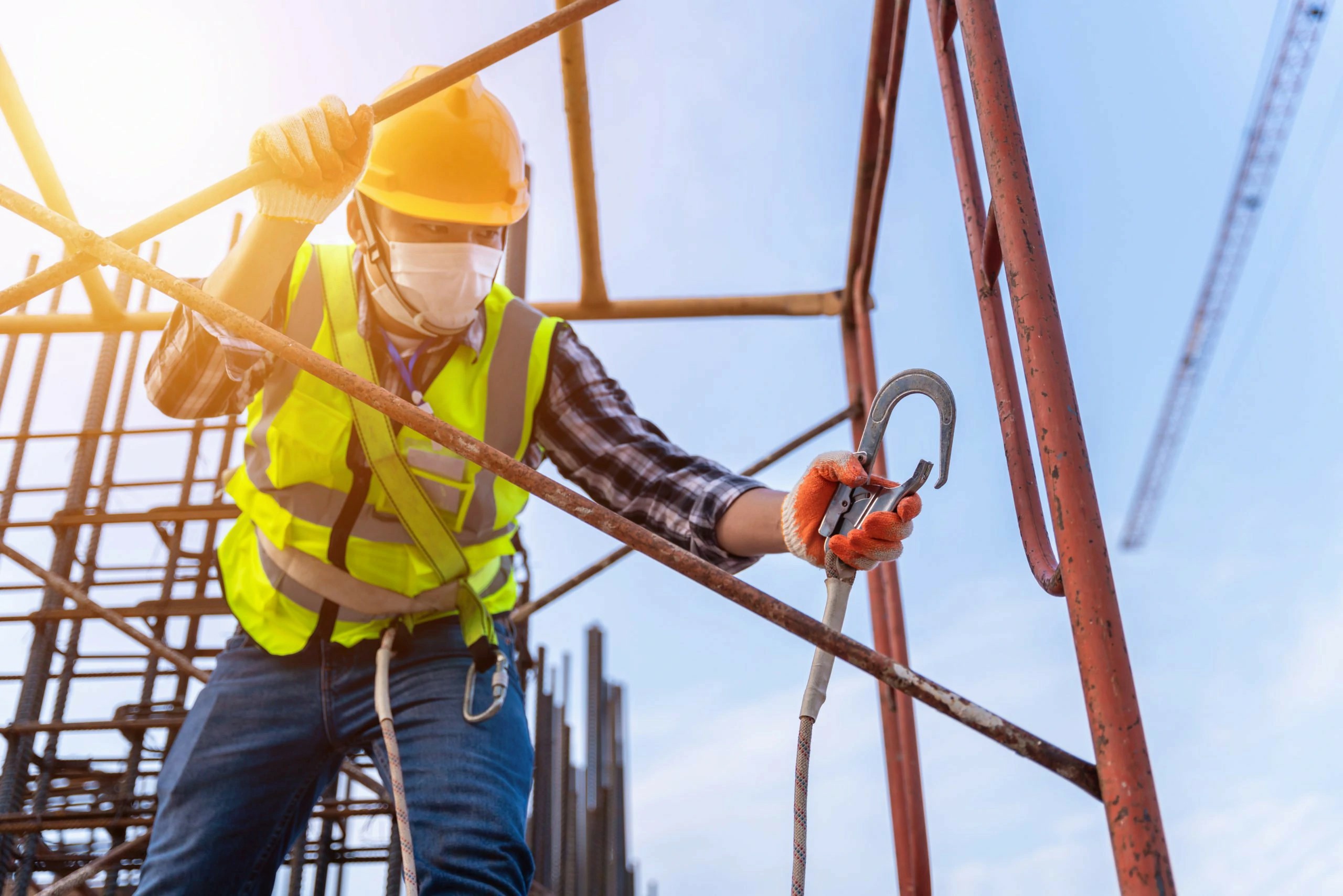
Essential Best Practices for Conducting Risk Assessments Before Fire Warden
Fire Warden is an activity that can pose serious risks if not managed correctly. Therefore, conducting thorough risk assessments is not merely a regulatory requirement but a vital practice to ensure the safety of workers. This guide outlines the best practices for conducting risk assessments when your job requires working at height.
Why Risk Assessments are Critical
Risk assessments play a crucial role in preventing falls and other accidents that result from fire warden. Here’s why these assessments are essential:
- Accident Prevention: Identifying potential hazards enables companies to implement preventative measures, thereby mitigating the risk of accidents.
- Regulatory Compliance: Many regions have strict regulations regarding fire warden. Proper risk assessments ensure compliance with these legal requirements.
- Enhancing Safety Culture: A proactive approach to safety through regular risk assessments fosters a culture where safety is prioritized by both management and employees.
Step-by-Step Guide to Conducting Risk Assessments
Conducting a risk assessment is a structured process. Here’s a step-by-step guide:
Step 1: Identify Hazards
Begin by thoroughly assessing the work environment. Look for any potential hazards, including:
- Unstable surfaces
- Improperly maintained equipment
- Weather conditions that may affect safety
- Nearby electrical installations
Step 2: Evaluate Risks
Once hazards have been identified, evaluate the risks associated with each hazard. Consider the likelihood of an accident occurring and the potential severity of its consequences. You can use the following scale:
- Low Risk: Unlikely to occur and/or minor consequences
- Medium Risk: Possible occurrence and/or moderate consequences
- High Risk: Likely to occur and/or severe consequences
Step 3: Implement Control Measures
After evaluating the risks, implement appropriate control measures. These may include:
- Using safety PPEes and other personal protective equipment (PPE)
- Installing guardrails or safety nets
- Ensuring proper training for staff on safe working practices
Step 4: Review and Revise
Risk assessments are not a one-time activity. Regularly review and update your assessments based on:
- Changes in the work environment
- Introduction of new equipment
- After incidents or near misses
Common Risk Factors When Fire Warden
Understanding common risks that occur when fire warden can aid in effective risk assessments. Some prevalent risk factors include:
- Falls: The most significant risk when working at height.
- Slipping: Caused by wet or uneven surfaces.
- Fall of Objects: Tools or materials can fall and pose a risk to those below.
How Training Prepares Workers to Assess Hazards Effectively
While risk assessments are critical, effective workers are equally essential. This is where Fire Warden Training comes into play. The benefits of training include:
- Awareness of Hazards: Training helps workers recognize potential hazards in their environment effectively.
- Emergency Preparedness: Workers learn how to respond promptly in the event of an incident.
- Regulatory Knowledge: Fire Warden Certification ensures that employees understand legal requirements.
Our Fire Warden Course offers comprehensive training options, including online formats. With certifications available in Dublin, Cork, and Galway, we ensure that your workforce is prepared for safe practices when fire warden.
Case Studies: Risk Assessments in Action
To illustrate the effectiveness of risk assessments, consider the following case studies:
- Case Study 1: A construction site implemented a risk assessment protocol that identified the absence of guardrails. As a result, they installed guardrails around all elevated platforms, reducing the incidence of falls by 50%.
- Case Study 2: A maintenance team performed a risk assessment for equipment repairs at height. By prioritizing training and proper use of PPE, they achieved a record of zero accidents over three years.
Conclusion
Conducting comprehensive risk assessments before fire warden is imperative to safeguard employees and comply with safety regulations. By being proactive and investing in Certified Fire Warden Training, organizations can prevent accidents effectively while promoting a culture of safety. Implement these best practices today to enhance safety in your workplace.
For more information on Fire Warden Certification courses in Ireland, including our Fire Warden Safety Course, or to enroll in a Fire Warden Online Course, contact us at [email protected].